Introduction
As part of building CohesionStack, I took the opportunity to dive deep into the world of SEO (Search Engine Optimization). This blog post captures my learnings, focusing on OpenGraph tags, meta tags, and other SEO considerations that website creators should embed in their pages. I’ll also touch on areas for future exploration, such as backlinks, sitemaps, and specialized meta tags.
OpenGraph and Meta Tags: The Basics
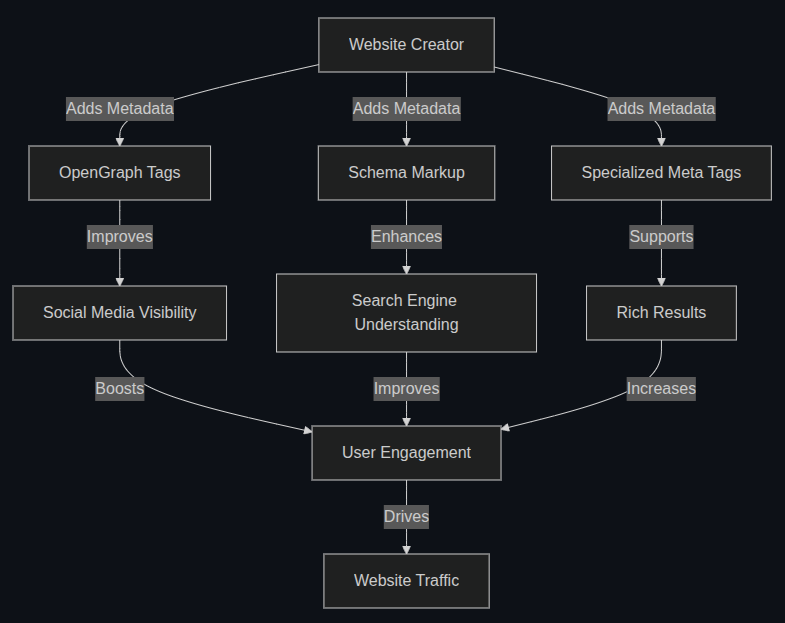
OpenGraph tags are essential for ensuring your content is displayed correctly when shared on social media platforms. Here’s what I’ve learned:
- Title (`og:title`): This should be concise yet descriptive. It’s the first thing users see when your link is shared.
- Description (`og:description`): Provide a compelling summary of your content. Keep it under 200 characters for optimal display.
- Image (`og:image`): Use high-quality images with appropriate dimensions (e.g., 1200x630 pixels). Ensure the image is relevant to the content.
- URL (`og:url`): Always use the canonical URL to avoid duplicate content issues.
Advanced SEO Considerations
Backlinks and Sitemaps
Backlinks: High-quality backlinks from reputable sites can significantly boost your search engine rankings. Focus on creating shareable content that naturally attracts backlinks.
Sitemaps: Submitting a sitemap to search engines helps them discover and prioritize the pages on your site. While it does not guarantee indexing, it improves the likelihood that important pages will be crawled. Use tools like Google Search Console to monitor your sitemap’s performance.
Specialized Meta Tags
There are several specialized meta tags that we don’t currently pack but should consider:
- Twitter Cards: Similar to OpenGraph, Twitter Cards enhance how your content appears on Twitter.
- Schema Markup: Structured data helps search engines understand your content better. For example, use schema.org to mark up events, recipes, or products.
- Robots Meta Tag: Control how search engines index your pages with the `robots` meta tag (e.g., `noindex`, `nofollow`).
Forward-Looking SEO: Adapting to AEO and LLMs
Evolving Tags for AEO
- FAQ Schema: Adding FAQ schema markup helps search engines display your content directly in rich results, improving visibility and click-through rates.
- Product Schema: For e-commerce sites, product schema provides detailed information about products, including price, availability, and reviews.
- How-To Schema: Step-by-step guides can be marked up to appear in rich results, making your content more engaging and actionable.
Considerations for LLM Visibility
- Contextual Metadata: Ensure your metadata provides clear context for LLMs to generate accurate and relevant responses.
- Backlinks to Authoritative Sources: Linking to reliable, non-competing websites enhances your content’s credibility and helps LLMs prioritize your site.
- Content Depth and Relevance: LLMs favor content that is comprehensive, well-structured, and directly answers user queries.
Practical Applications for Website Creators
CohesionStack’s metadata packer offers significant value for website creators:
- Tag Validation: Cross-check your OpenGraph, Twitter Cards, and schema markup before publishing to ensure accuracy and completeness.
- Sitemap Optimization: Generate and validate sitemaps to help search engines discover your pages effectively.
- Rich Results Testing: Use tools like Google’s Rich Results Test to verify that your schema markup is implemented correctly.
- AI-Assisted Metadata Packer: Learn more about how AI can streamline metadata creation and validation by visiting AI-Assisted Metadata Packer.
Key Takeaways for Website Creators
- Embed OpenGraph Tags: Ensure every page has well-defined OpenGraph tags for better social media visibility.
- Optimize Meta Descriptions: Write unique, engaging meta descriptions for each page.
- Leverage Sitemaps: Regularly update and submit your sitemap to search engines to improve page discovery.
- Explore Specialized Tags: Consider adding Twitter Cards, schema markup, and robots meta tags to enhance your site’s SEO.
- Monitor Performance: Use tools like Google Analytics and Search Console to track your site’s SEO performance and make data-driven improvements.
References and Further Reading
- Google Search Central: Structured Data
- Schema.org: Comprehensive resource for structured data markup.
- Moz: The Beginner’s Guide to SEO: A foundational guide to SEO best practices.
Future Exploration
Looking ahead, I’m keen to explore the following areas:
- Dynamic Backlink Strategies: How to create content that naturally attracts high-quality backlinks.
- Enhanced Sitemap Features: Including priority levels and update frequencies for different pages.
- New Meta Tag Standards: Staying updated with emerging meta tag standards and best practices.
Conclusion
SEO is an ever-evolving field, and staying ahead requires continuous learning and adaptation. By embedding the right tags and leveraging tools like sitemaps and backlinks, website creators can significantly improve their site’s visibility and user engagement. I hope these insights help you optimize your own projects.
If you have any questions or want to collaborate, feel free to reach out via the About page.